We’ve just been through one of the longest government shutdowns in U.S. history, a 43‑day gap in full federal funding, with an array of agencies paused or operating at reduced capacity. As Congress and the Administration work toward restarting major functions, that transition period offers some very real implications for the economy as we head into the first quarter of 2026.
Here’s a look at how key sectors may shift and what you should keep an eye on.
Housing & Real Estate
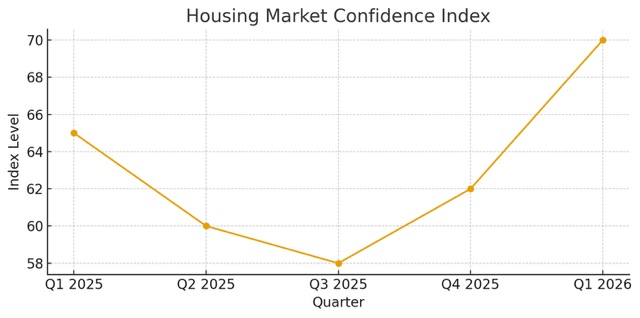
During the shutdown, certain housing‑related federal programs and approvals were delayed. For example, the National Association of Home Builders warned that a long‑run shutdown could affect mortgage accessibility and reduce housing demand. National Association of Home Builders
As the government restarts, approvals and permits may catch up, which could relieve some of the bottlenecks in new construction, home conversions, inspections, and federally‑backed lending. On the flip side, pent‑up demand might surge and catch buyers and sellers off guard. One projection by the Congressional Budget Office (CBO) estimated that the shutdown trimmed GDP growth in the fourth quarter by roughly 1.5 percentage points, but also projected a rebound of about 2.2 percentage points in Q1 2026.
For homeowners or prospective buyers: this means a few things.
- Some backlog in permitting or inspections may clear early in the year, opening up more inventory or faster closings.
- Buyers and sellers should monitor whether new mortgage‑backed program approvals ramp up, especially for lower‑income buyers or those needing federal support.
- If housing demand rises in Q1 due to the restart effect, pricing and competition may start to pick up again, even if the headline market feels quiet now.
Employment & Consumer Sentiment
Furloughed federal workers, paused contracts, and delayed federal spending ripple into consumer spending, local economies and confidence. The shutdown cost something like $7–15 billion per week in lost economic activity according to some estimates. The Guardian+1 With the restart, those paychecks resume, contractors get back to work, and consumer pockets loosen but recovery may take time.
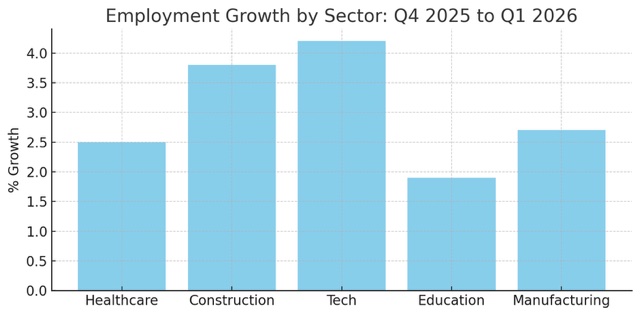
That leads to a likely pattern for Q1 2026: a rebound in employment numbers (especially government‑adjacent jobs and contractors), but uneven across sectors. Some private companies delayed hiring or capital spending because of uncertainty; as the restart becomes clear, we could see some of that resume. That said, the backlog of delayed activity may also create distortions: staffing shortages, increased overtime, or temporary bottlenecks in services.
For individual households:
- If you’ve been waiting to move because you weren’t sure about your job or income stability, the restart could provide clearer footing.
- If you’re a seller whose buyer relied on federal employment or contracts, be alert to how the restart status of those jobs affects their confidence.
- Consumer sentiment tends to improve with clarity. Q1 may see a modest boost in spending as uncertainty fades though inflation, rates, and other factors still matter.
Investments & Markets
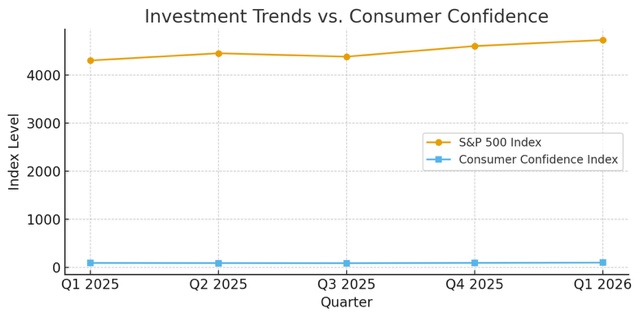
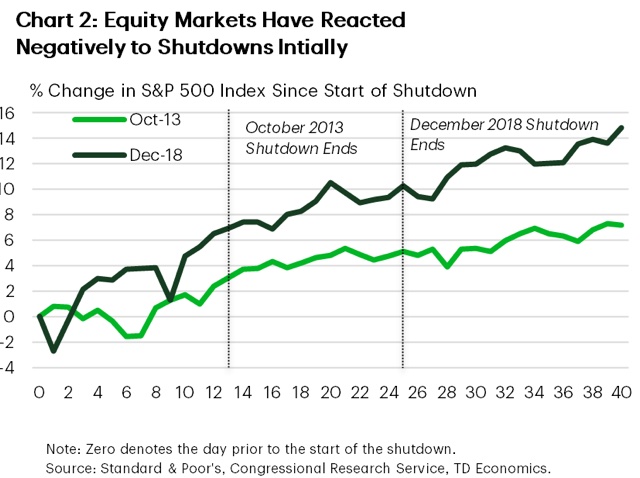
Markets dislike uncertainty. During the shutdown, key economic data (jobs reports, inflation numbers) were delayed, which makes forecasting harder for investors and for institutions like the Federal Reserve. Federal News Network With the restart underway, we can expect smoother data flow, which may reduce one layer of market anxiety.
For Q1 2026, consider:
- Bond yields might adjust as supply of government debt, budget clarity, fiscal policy tilt and inflation expectations all become clearer.
- If the restart leads to increased federal spending or back‑log clearing, inflationary pressures could rise slightly, which could push certain asset classes upward (commodities, real assets) and challenge others (bonds, fixed income).
- Real‑estate‑adjacent investment: as the housing sector gets un‑stuck, construction‑services stocks, home‑improvement supply chains, and local real‑estate markets may see more momentum.
In short: the restart sets a baseline for 2026 clarity. If you’re an investor (directly or through real‑estate), the early months of your year may hinge not just on markets but on the ripple effects of government activity resuming.
What to Watch & What You Can Do
- Monitor government hiring and contractor‑spending headlines. These are early signs of restart momentum.
- Keep an eye on housing‑market permitting trends, especially in your market. If permits spike, pricing and competition may accelerate.
- For buyers: If you are ready, Q1 may be the time your opportunity window opens. But don’t assume overnight change, prepare your financing and contingencies now.
- For sellers: Be aware that early 2026 may have more active buyers than late 2025. Use current slow season wisely (staging, pricing, prep) so you’re ready when momentum returns.
- For investors: Given volatility and backlog risk, consider assets that benefit from a “catch‑up” phase construction, materials, modular housing, maybe even consumer sectors that rely on federal routing (contracting, infrastructure). But weigh inflation and rate risk.
In a Nutshell
The transition from shutdown to restart is more than symbolic it’s economic. Housing, employment, investment all have “line of sight” to restart effects in Q1 2026. For you, that means this next chapter may carry accelerated opportunity but it also demands preparation and awareness. Whether you’re buying, selling, investing or simply planning, the clearer footing of a restarted government makes it a moment to move with intent, not rush. I’ll be watching the lines between the headlines and your world. Let’s walk through what makes sense for you.